20 February
Interior
Open Plan Layout: What Works (And What Doesn’t) in a UK Home
- Huma Zareef
- 0 Comments
Interior Design Services Across the UK
Open Plan Layout: What Works (And What Doesn’t)
Open plan living is one of the most requested features in UK renovations. It promises light, space, and a more connected way of living. But in practice, many homeowners find that once it’s built, the space doesn’t quite work the way they expected.
Because open plan design is not just about removing walls. It’s about how the space functions as a whole.
Why Open Plan Layouts Often Go Wrong
Most open plan layouts are designed too quickly. Decisions are made based on:
- Pinterest inspiration
- Developer show homes
- What “looks good” on drawings
But very little attention is given to:
- Daily routines
- Movement through the space
- How different zones interact
This is where problems begin. Because once the structure is in place, it becomes much harder to adjust.
What Works in an Open Plan Layout
A successful open plan space is not just open. It is structured and intentional.
1. Clear Zoning Within the Space
An open plan layout should still feel organised. Each area of the house such as kitchen, dining, and living needs a defined role.
This can be achieved through:
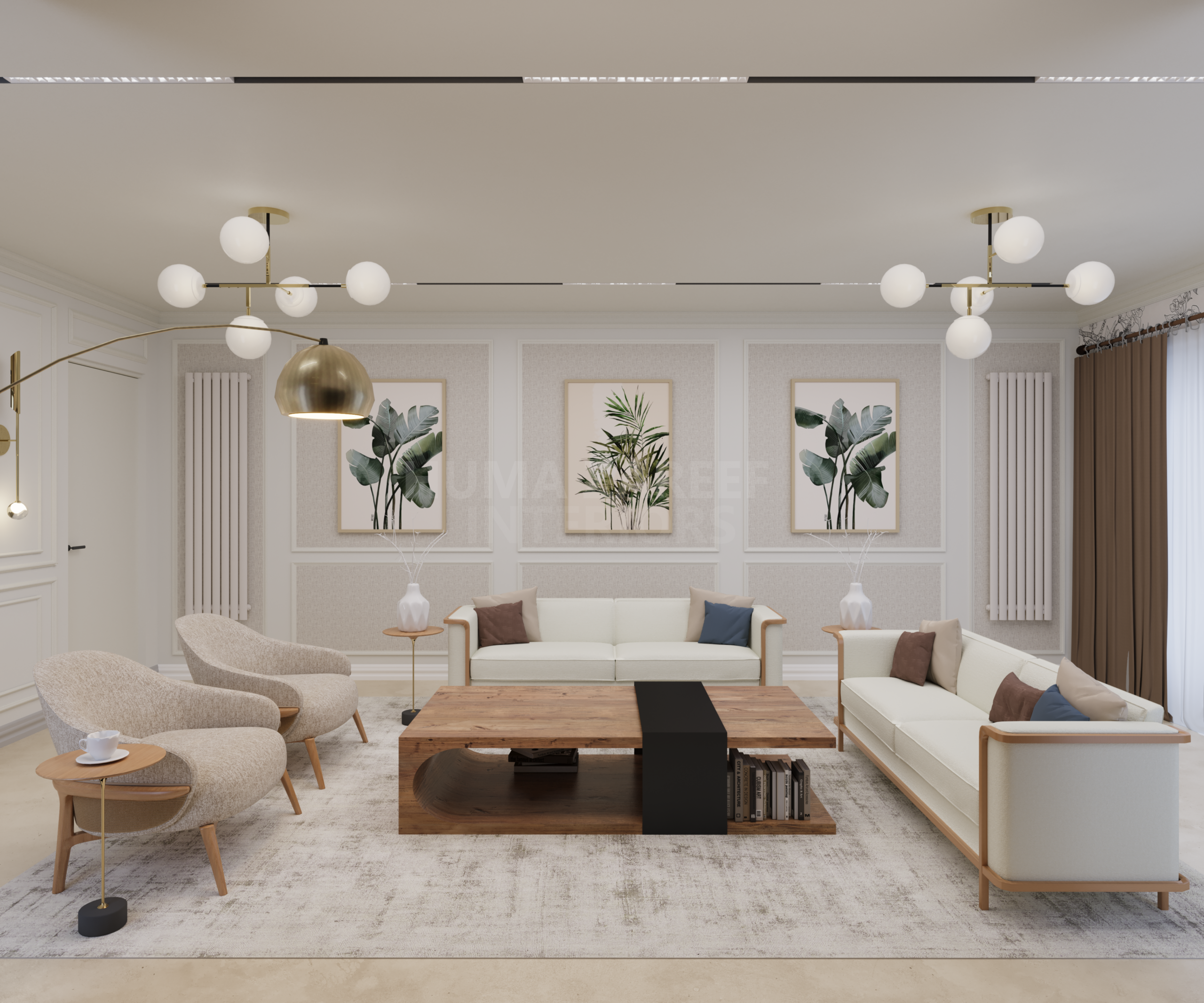
- Furniture placement
- Lighting
- Changes in flooring
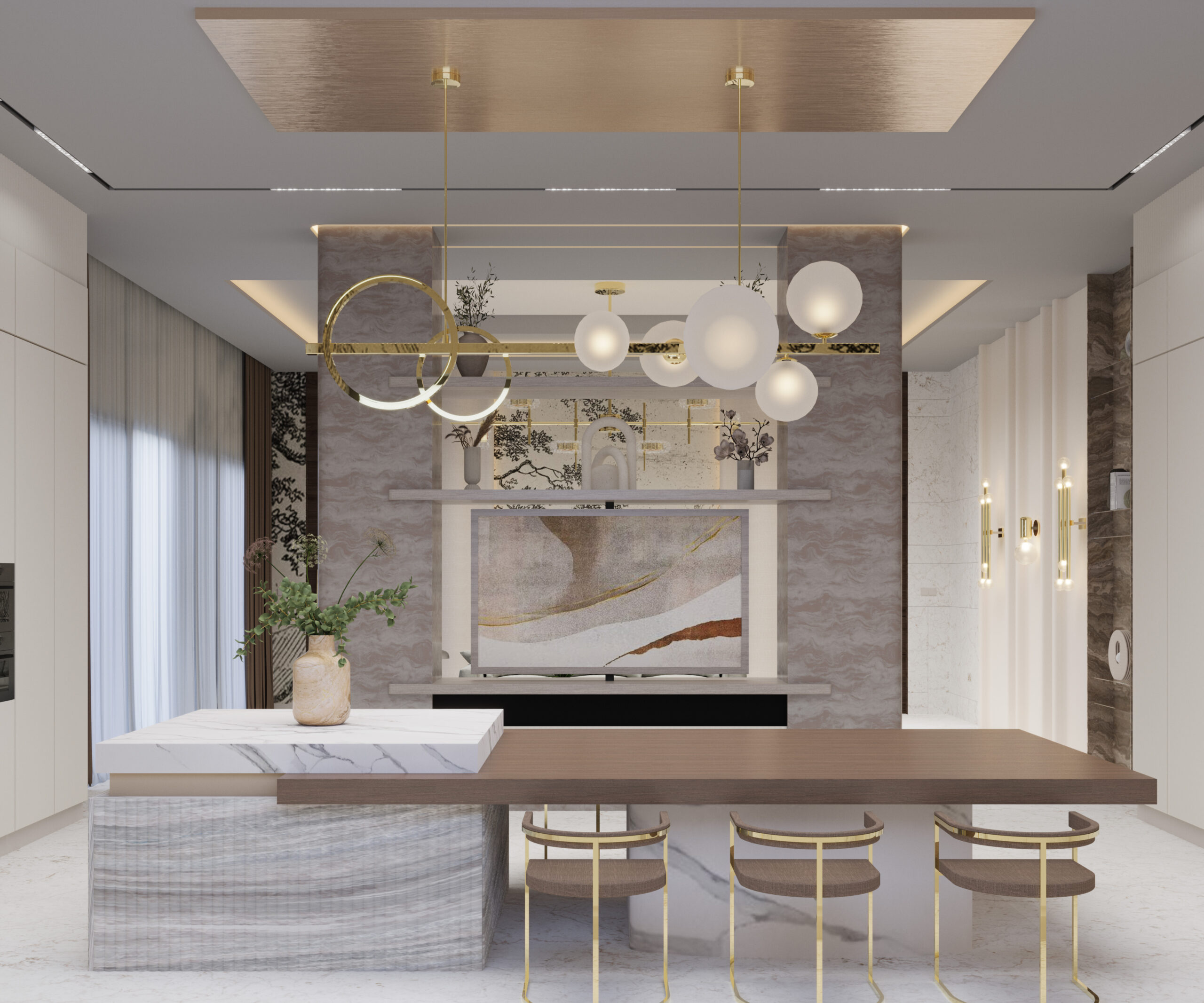
- Kitchen islands or partitions
Without clear zones, the space can feel disjointed or undefined.
2. Natural Flow Between Areas
Movement through the space should feel effortless. You should be able to move from one area to another without obstruction or awkward circulation.
This includes:
- Clear walkways
- Logical positioning of furniture
- Adequate space between elements
When flow is not considered, even a large space can feel restrictive.
3. A Functional Kitchen Layout
In many open plan homes, the kitchen becomes the central focus. But if the layout is not carefully planned, it can disrupt the entire space.
Key considerations include:
- Distance between key appliances
- Position of the island
- Visibility into the living area
- Storage and worktop space
A poorly planned kitchen affects how the entire space is used.
4. Thoughtful Use of Light
Open plan layouts often aim to maximise natural light. But light needs to be considered across the whole space.
This includes:
- Window placement
- Artificial lighting layers
- Avoiding dark corners
A well-lit space feels balanced and comfortable throughout the day.
What Doesn’t Work (Common Mistakes)
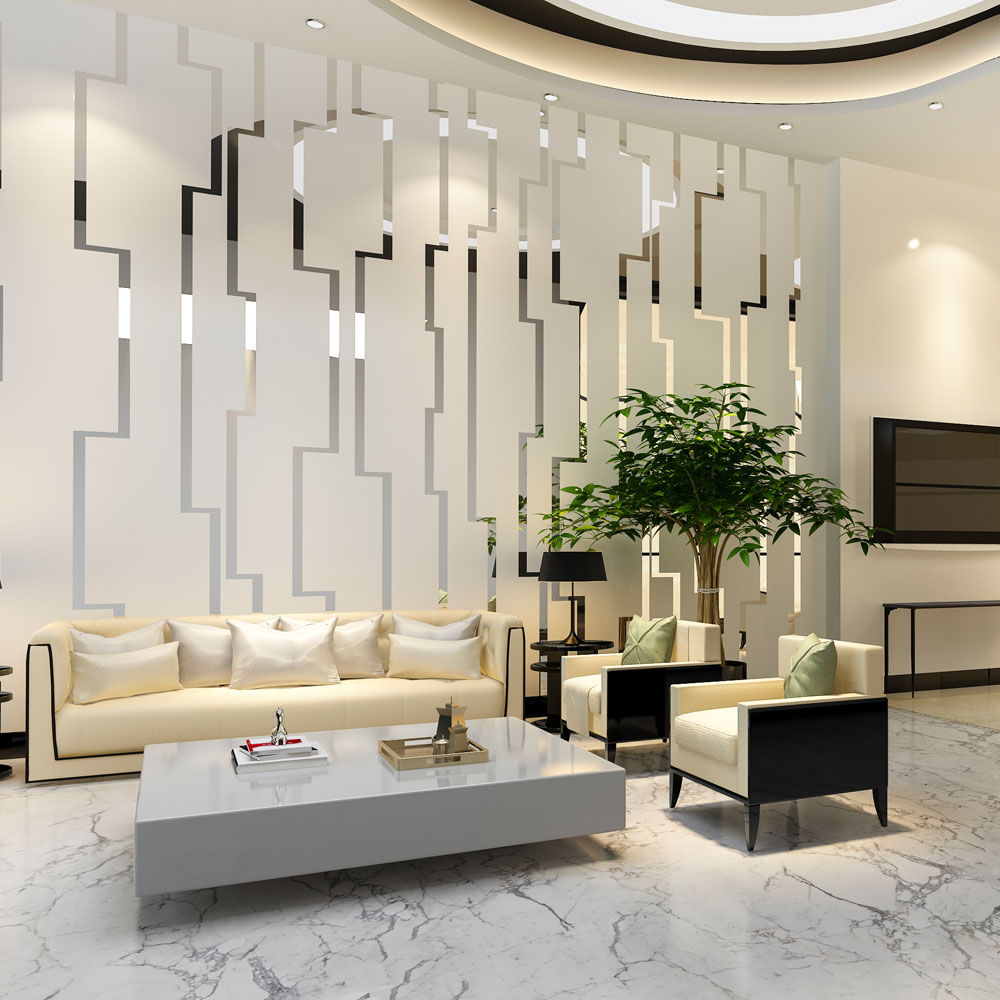
1. Making Everything Completely OpenRemoving all walls without a plan can create a space that feels too exposed and lacks structure. Open plan doesn’t mean everything should be visible at once. Subtle separation often improves functionality.
2. Ignoring Noise and Practicality
Open spaces carry sound. This can affect:
- Conversations
- Television use
- General comfort
Without consideration, the space can feel chaotic rather than calm.
3. Poor Furniture Planning
Furniture is often an afterthought. But in open plan design, it plays a key role in defining the space. Without a clear furniture plan, layouts can feel awkward or incomplete.
4. Incorrect Kitchen Positioning
The kitchen is often placed based on plumbing or convenience, rather than how the space should function. This can lead to:
- Disconnected living areas
- Poor flow
- Limited usability
5. Not Planning for Storage
Open plan layouts can reduce wall space. This means storage needs to be planned carefully. Without it, the space can quickly feel cluttered.
Is Open Plan Right for Every Home?
Not necessarily. While open plan living works well in many homes, it depends on:
- The size of the property
- Your lifestyle
- How you use each space
In some cases, partially open layouts provide a better balance.
The Importance of Layout Planning
The success of an open plan space comes down to one thing: Layout. Before any walls are removed or built, the structure of the space needs to be carefully considered.
This includes:
- How each area will be used
- How people will move through the space
- How different functions connect
Once these decisions are made early, the rest of the design becomes much clearer.
Final Thoughts
Open plan living can transform a home. But without a considered layout, it can just as easily create new problems. Taking the time to plan properly at the beginning helps avoid costly changes later.
Need Help Planning Your Open Plan Layout?
If you’re at the early stages of your renovation and want to ensure your layout works before moving forward, you can arrange a consultation here. I work with homeowners across Yorkshire to help them plan their space with clarity before key decisions are made.
If you’re at the early stages of your renovation
and want to ensure your layout works before moving forward,
You can arrange a consultation here
I work with homeowners across Yorkshire to help them plan their space with clarity before key decisions are made.
Related Posts
- Huma Zareef
- March 11, 2026
Interior Designer or Builder First? What to Do Before Starting a Renovation
Should I Hire an Interior Designer Before a Builder? If you are planning a renovation, one of t ..
- Huma Zareef
- March 24, 2026
How to Plan a House Extension Without Making Expensive Design Mistakes
How to Plan a House Extension in Leeds Without Making Expensive Design Mistakes If you’re ..