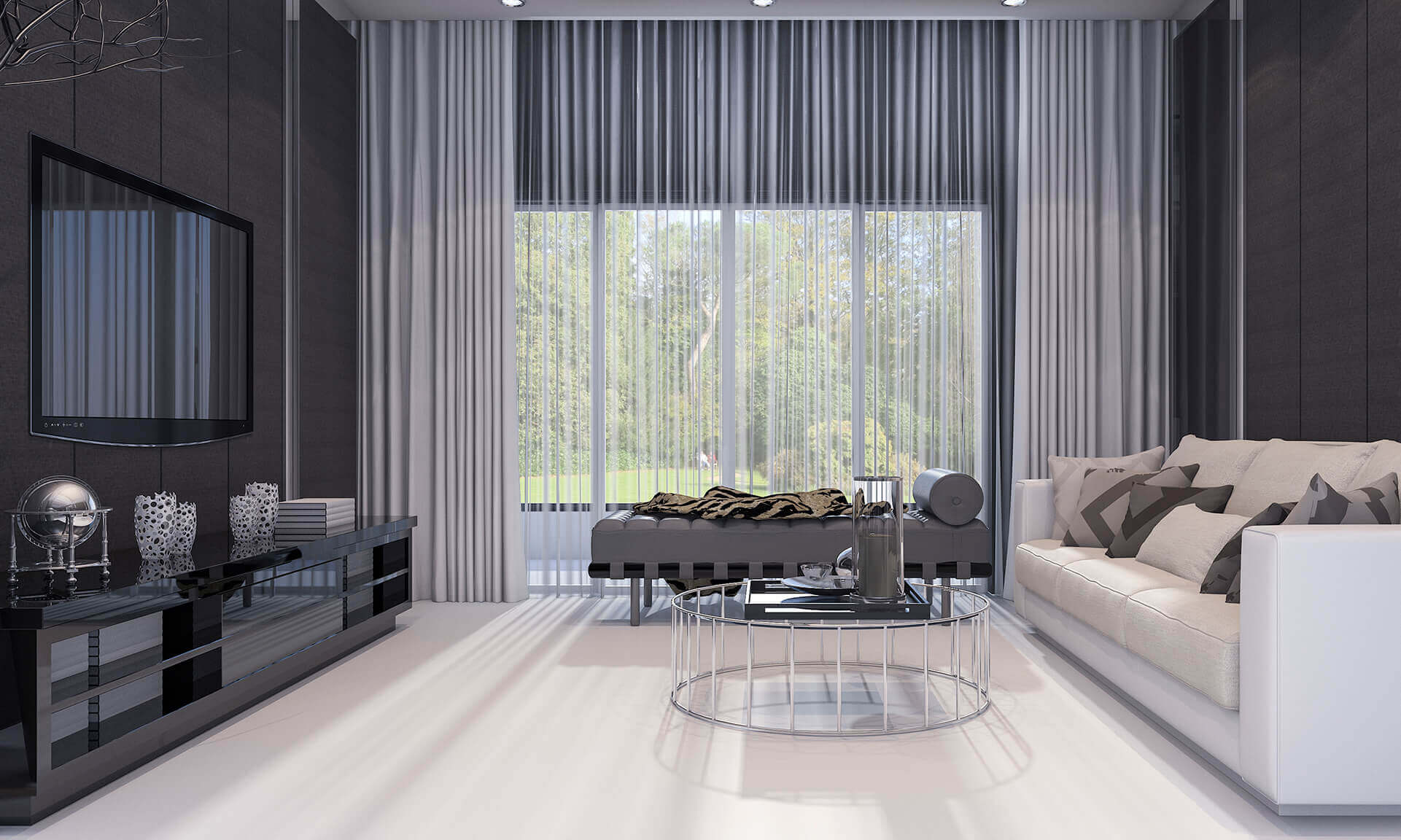
Open Plan Layout: What Works (And What Doesn’t)
Open-plan living is still one of the most requested features in home renovations, especially in kitchen extensions and family living spaces. The appeal is obvious: more light, better connection, and a home that feels larger and more social. But open plan only works when the layout is resolved properly. Without that, the result is often noisy, cluttered, awkward to move through, and surprisingly hard to live in.
The mistake many homeowners make is thinking open plan simply means removing walls. It does not. A successful open-plan layout still needs structure. It just uses smarter tools to create that structure, such as zoning, furniture placement, storage, lighting, and sometimes partial separation rather than total openness. Recent guidance even points out that “broken plan” or semi-open layouts can work better than fully open ones for many households.
What works in an open-plan layout
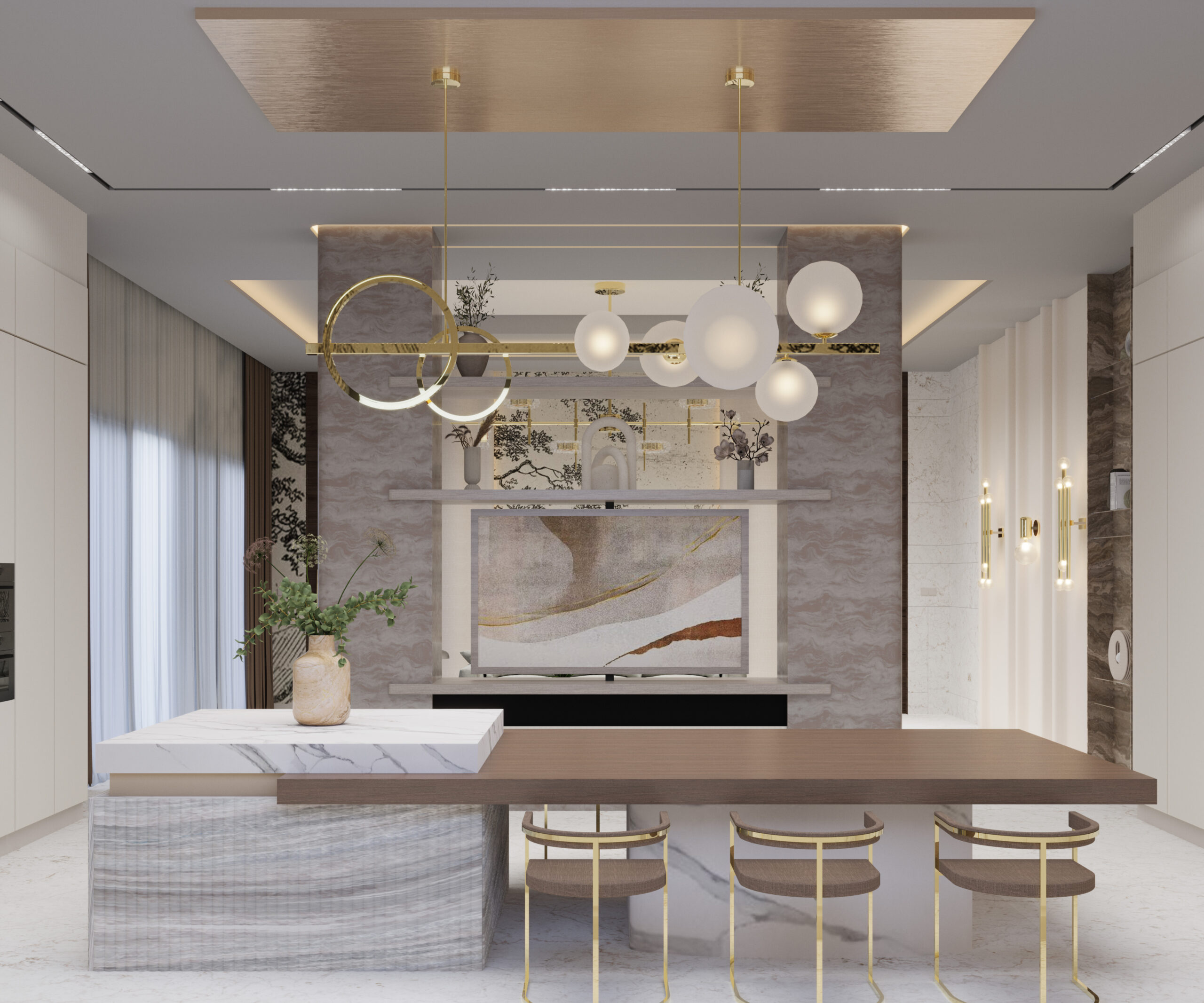
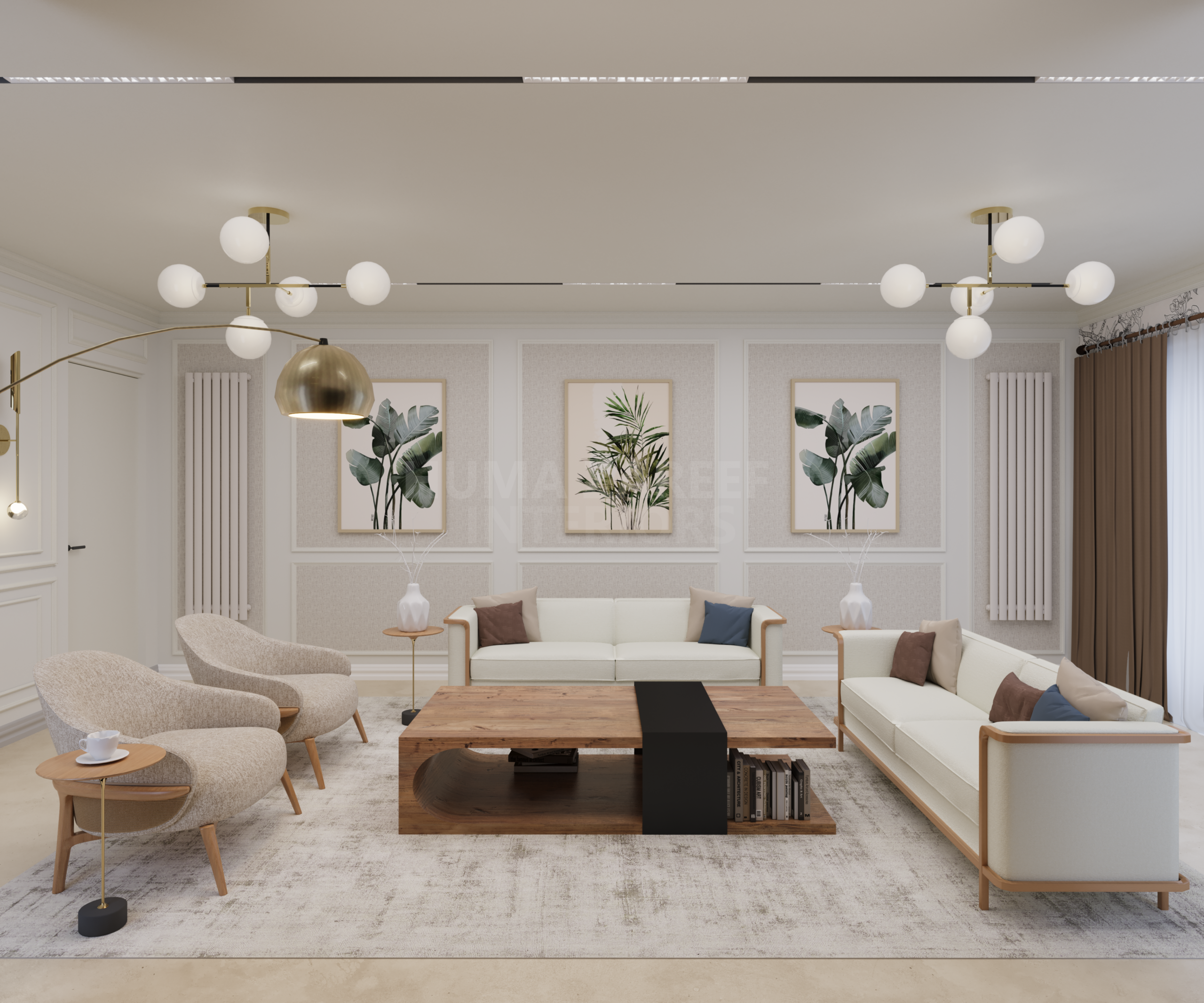
1. Clear zoningThe best open-plan spaces still have distinct areas for cooking, dining, and relaxing. Those areas should feel connected but not muddled. Design guidance consistently recommends zoning through islands, breakfast bars, furniture groupings, partitions, changes in finish, or lighting so each area has a clear role.
In practical terms, that means the kitchen should feel like the kitchen, the dining area should feel anchored, and the seating area should not feel like an afterthought dumped at the far end of the room. If every function competes in one undefined space, the room starts to feel chaotic.
2. Good circulation
One of the biggest reasons open-plan rooms fail is poor movement. Recent kitchen advice repeatedly warns against leaving too little circulation space, especially around islands and between busy zones. In family homes, this gets worse when multiple people use the space at once.
A layout works when people can move naturally from one zone to another without cutting through the cooking area, squeezing behind chairs, or clashing with appliance doors. If the circulation feels forced, the room will never feel calm, no matter how expensive it looks.
3. A kitchen designed around use, not just appearance
Open-plan rooms often revolve around the kitchen, so if the kitchen layout is wrong, the entire space suffers. Current expert advice keeps coming back to the same issues: poor workflow, cramped islands, not enough worktop space, and layouts designed around looks rather than how people actually cook and move.
What works better is planning the kitchen around prep, cooking, washing, storage, and circulation first. The island should support the room, not dominate it. Sometimes the smartest decision is not having an island at all.
4. Proper storage
Open-plan rooms need more storage than many people expect. That is because you lose walls, and with them, you often lose cupboards and places to hide everyday life. Recent advice on open-plan kitchens highlights clutter and lack of closed storage as a major reason these spaces feel cold, clinical, or permanently untidy.
What works is planning for concealed storage early: pantry storage, utility overflow, toy storage, paperwork, small appliances, and all the other things real families actually own. Open plan looks effortless only when the clutter has somewhere to go.
5. Layered lighting
Lighting is one of the biggest make-or-break elements in open-plan design. Recent expert guidance warns against relying on one flat lighting scheme across the whole room. Open-plan spaces need layers: task lighting in the kitchen, softer ambient light in living areas, and enough variation to stop the room feeling harsh or flat.
Good lighting also helps with zoning. It tells the eye where each function begins and ends. Without it, even a large open-plan room can feel cold and unfinished.
6. Flexibility
One of the smartest ideas in current open-plan guidance is flexibility. Sliding doors, pocket doors, partitions, banquette seating, and broken-plan elements can all make a space easier to use without losing openness. That matters because most households do not live the same way all day long. Sometimes you want connection. Sometimes you want separation.
A layout works when it allows for both. Open when you want it, controlled when you need it.
What doesn’t work in an open-plan layout
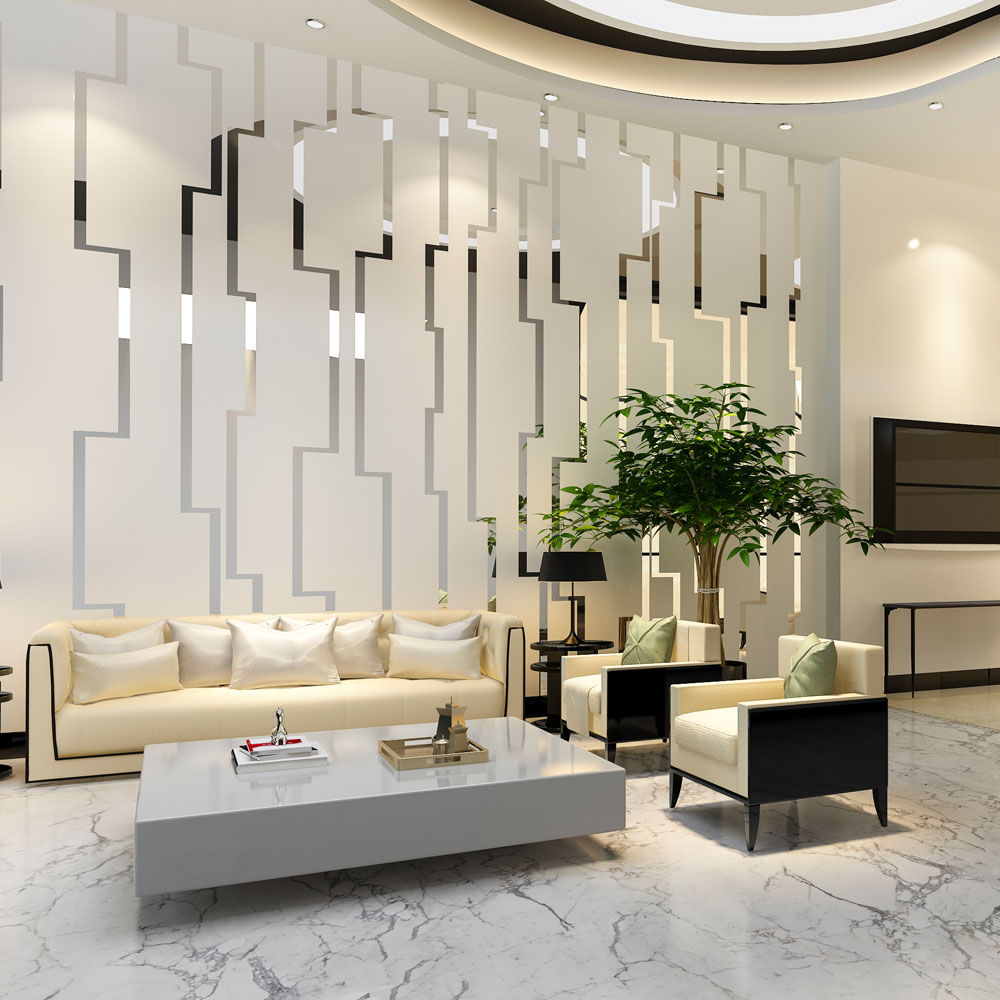
1. Making everything completely openKnocking down walls without a proper plan is where many problems begin. Guidance from Houzz and Homebuilding both point to the value of partitions, invisible boundaries, and broken plan thinking to preserve function and privacy.
Open plan does not need to mean one giant exposed room. In many homes, a little separation makes the layout work far better.
2. An island squeezed into the middle because it looks good
This is one of the most common mistakes in kitchen-led open-plan spaces. Recent advice warns against trying to cram in too much and highlights impractical islands as a recurring problem, especially in family homes and tighter extensions.
If the island blocks movement, narrows walkways, or creates conflicts with appliance doors, it is not a design feature. It is a permanent obstacle.
3. No acoustic thinking
Acoustics are often ignored until the room is finished and everyone wonders why it feels loud and stressful. Expert advice on family kitchen layouts specifically warns against overlooking acoustics in open-plan rooms, and recent guidance also recommends textures and softer materials to reduce harshness.
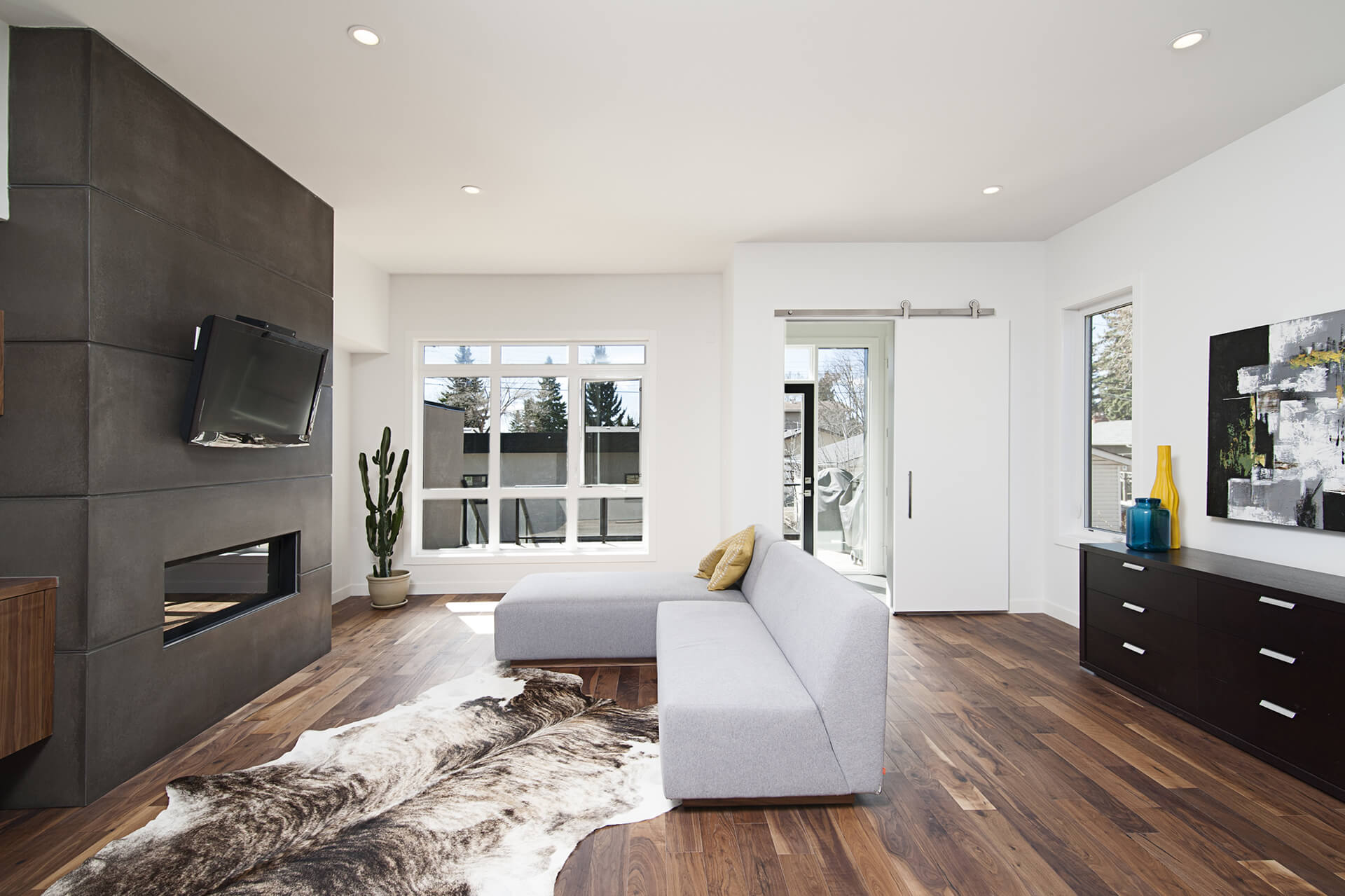
What does not work is a large hard-surfaced room with nowhere for sound to soften. What works is thinking early about rugs, textiles, upholstery, timber, and how the room will actually sound when life is happening inside it.
4. Poor furniture planning
Open-plan rooms can look deceptively generous on a floor plan, but once real furniture goes in, the room may start to feel badly balanced or blocked. A seating area that is too far from the kitchen feels disconnected. One that is too close can feel like the sofa is basically in the cooking zone.
What does not work is leaving furniture until the end. What works is placing real furniture sizes on the plan from the start so you can check circulation, proportions, and comfort properly.
5. Treating open plan as a trend rather than a response to your lifestyle
Open plan is not automatically right for every home. Current guidance comparing open plan and broken plan makes that point clearly: the best choice depends on how you live, how much privacy you need, and whether your household benefits from open connection or more controlled spaces.
If you need quiet work areas, better sound control, or more visual calm, a partially open layout may suit you better than a fully open one.
So, is open plan a good idea?
Yes, when it is planned properly. The strongest open-plan spaces combine connection with structure. They feel open but not exposed. Flexible, but not vague. Social, but still functional. The common thread in expert advice is that success comes from planning zones, circulation, storage, lighting, and kitchen function early, not trying to patch problems later.
A simple checklist before you commit to an open-plan layout
- Defined zones for cooking, dining, and living
- Enough circulation around key routes
- A kitchen layout based on workflow, not just aesthetics
- Proper concealed storage
- Layered lighting
- Some acoustic softening
- Furniture placed to scale
- Considered whether broken plan might work better than fully open plan
Final thoughts
Open-plan living can transform a home, but only when the layout is doing the heavy lifting. The goal is not to make the room as open as possible. The goal is to make it work as well as possible. And those are not always the same thing.Need help planning your open-plan layout?
If you are at the early stage of a renovation or extension and want clarity before work begins, this is exactly the point where layout planning matters most. A consultation can help you review the space properly, avoid expensive mistakes, and make better decisions before the build starts.
Book a consultation: https://humazareef.co.uk/contact-us.
Related Posts
- Huma Zareef
- March 14, 2026
How to Plan Your Home Layout Before Renovating (Step-by-Step Guide)
How to Plan Your Home Layout Before Renovating (Step-by-Step Guide) If you are planning a renov ..
- Huma Zareef
- March 11, 2026
Interior Designer or Builder First? What to Do Before Starting a Renovation
Should I Hire an Interior Designer Before a Builder? If you are planning a renovation, one of t ..