24 March
Interior
How to Plan a House Extension Without Making Expensive Design Mistakes
- Huma Zareef
- 0 Comments
How to Plan a House Extension in Leeds Without Making Expensive Design Mistakes
If you’re a homeowner in Leeds or West Yorkshire thinking about extending your home, you’re not alone. House extensions are one of the most popular home improvement projects across the city right now, whether it’s a kitchen extension in Headingley, a rear addition in Roundhay, or a loft conversion in Chapel Allerton.
But as a Leeds-based interior designer, I’ve seen the same costly mistakes made time and again by homeowners who rush into building work without the right design planning in place first. The good news? Every single one of them is avoidable.
In this guide, I’m going to walk you through exactly how to plan a house extension in Leeds the right way so you end up with a space that’s beautiful, functional and adds real value to your home.
1. Start with the Problem, Not the Extension
Before you speak to a single builder or architect, ask yourself: what problem am I actually trying to solve? Most homeowners extending their homes want one of these things:- More space for a growing family
- A better kitchen or dining area
- A home office that feels separate from living space
- A brighter more open ground floor
- Better flow between rooms
2. Get Clear on Whether Planning Permission Is Needed
One of the most common questions I hear from Leeds homeowners is: “Do I need planning permission for my extension?” The answer depends on several factors specific to your property and location:- Whether your home is in a Leeds conservation area (many parts of Chapel Allerton, Roundhay, and Headingley are)
- Whether your property is listed, the size and height of the proposed extension
- How much of your garden you’re covering
- Whether the extension faces a road
3. Don’t Design the Extension in Isolation
This is the most expensive mistake I see homeowners make and it’s completely avoidable. Your extension doesn’t exist in a bubble. It connects to your existing home, and if the design of the new space doesn’t consider the whole house, you end up with something that feels disconnected and never quite right. Before committing to any design, think about:- How the new space flows from your existing rooms
- Whether your current layout needs reconfiguring
- How natural light moves through the whole house
- Consistent flooring, materials and colour throughout
4. Resolve the Layout Before Chasing Quotes
Do not get builder’s quotes until you have a clear layout plan. This is crucial.Without a resolved layout, you’ll get wildly varying quotes based on completely different interpretations of what you want. Instead, work with an interior designer or architect first to produce:
- A floor plan showing the new layout
- Clear dimensions and room relationships
- Key design decisions
- Structural requirements identified early
5. Think Hard About Natural Light
Leeds doesn’t have the most reliable sunshine so making the most of natural light is essential.- Which direction does the extension face? South-facing extensions get the most light; north-facing need more thought
- Where will the sun be during the day?
- Will roof lights or skylights help bring light deeper into the space?
- Will the extension block light from your existing rooms?
- Could bi-fold or sliding doors maximise light and connection to the garden?
In my work as an interior designer in Leeds and across Yorkshire, I’ve seen extensions that look incredible on paper but feel dark and gloomy in reality simply because natural light wasn’t considered early enough.
6. Watch Your Room Proportions
Getting proportions right separates a good interior design from a great one — and in Leeds homes, where Victorian terraces and semis often have quirky shapes and lower ceilings, it matters even more.- Open plan kitchen, dining and living combined: For all three zones to function well in their own right, allow a minimum of 35 square metres total. For kitchen and dining only, a combined space of around 4.5m x 4m gives you a workable starting point though more is always better.
- Dining areas: Allow at least 800mm between the edge of your dining table and any walls or obstructions, this is the minimum for people to pass behind occupied chairs. For families who entertain regularly, 1,000–1,200mm is more comfortable and prevents the constant shuffle.
- Circulation space: UK Building Regulations require a minimum corridor width of 900mm, which can reduce to 750mm at pinch points. For new extensions, a minimum of 1.2m is the recommended standard for comfortable, safe passage. Never plan a new extension with corridors tighter than this
- Living areas: There’s no official minimum width for a living room but in practice, a room under 3.6m wide struggles to accommodate a comfortable seating arrangement. Aim for at least 4m if you want sofas facing each other with a coffee table between them.
- Ceiling height and beams: There is no statutory minimum ceiling height in UK Building Regulations, but 2.1m is widely considered the acceptable standard for habitable spaces. The only fixed legal minimum is 2.0m headroom over staircases. For new extensions and rooms in homes, aim for a minimum of 2.3m. The national space standard requires a minimum floor-to-ceiling height of 2.3m for at least 75% of a new dwelling’s gross internal area.
Here’s what the measurements actually mean in practice:
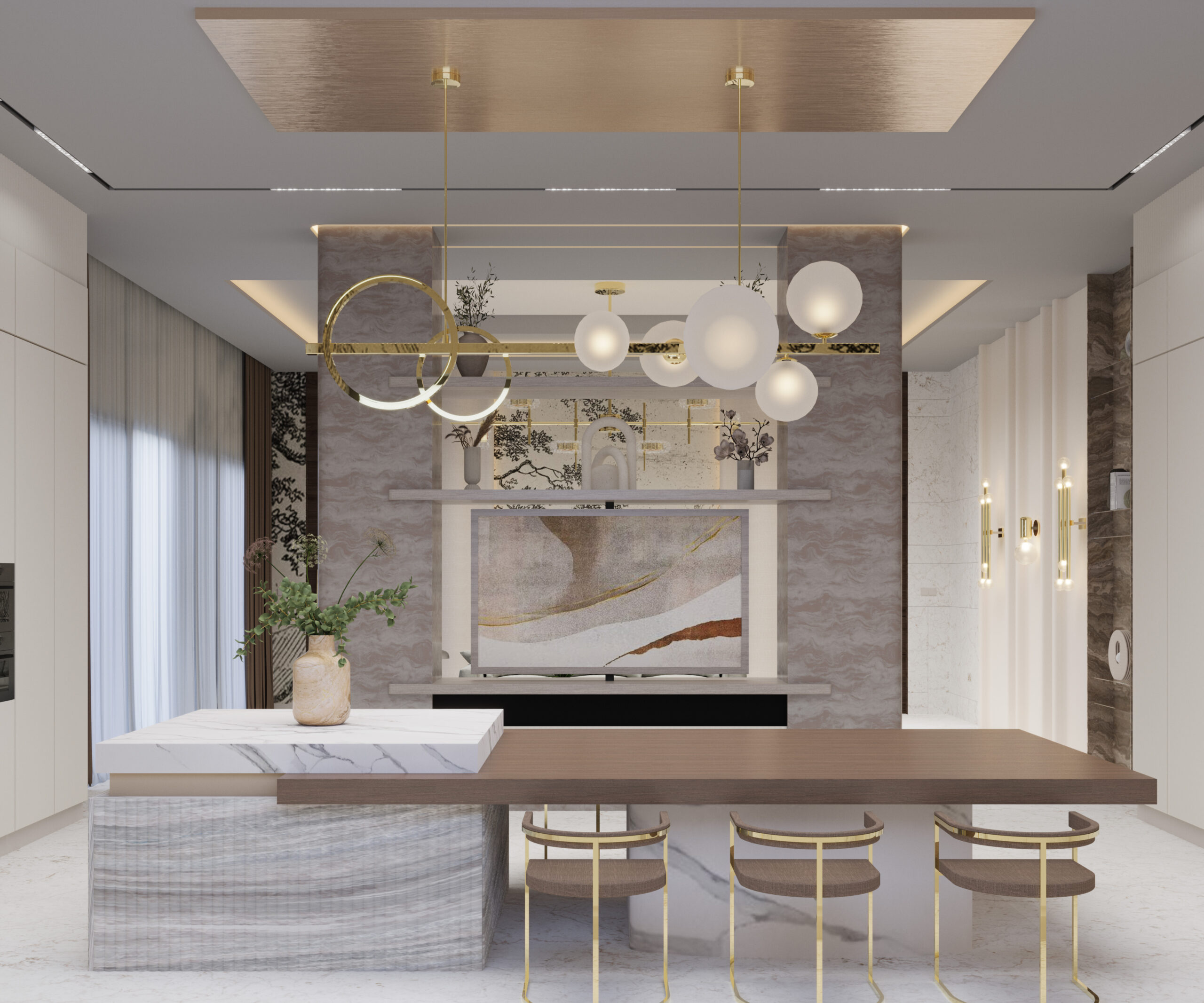
7. Don’t Assume a Kitchen Island Is Always the Answer
Kitchen islands are beautiful but they’re not right for every home, particularly the Victorian terraces and semi-detached properties that make up so much of the Leeds city’s housing stock.Here’s what the measurements actually mean in practice:
You need at least 1,000mm of clear walkway space around the island on all sides with 1,200mm being the comfortable ideal. This means you need a minimum of 3.5 metres wall-to-wall if you have just one run of units parallel to your island. If you need units on both sides of the island, your room needs to be greater than 4,000mm wide.
The practical minimum size for the island itself is 1m x 1m but this only really works as additional preparation space. To incorporate storage, seating or appliances comfortably, most designers recommend an island of at least 1m x 2m.
Homebuilding As a rule of thumb, you need to maintain at least one metre of space around the island and 1.2 metres behind any seating to ensure ease and flow of movement.
Homebuilding So before committing to a kitchen island in your Leeds home, ask yourself honestly:
Does your kitchen have at least 3.5m wall-to-wall width for a single run of units?
Do you have at least 4m width if you need units on both sides?
Is the island genuinely serving a purpose, prep space, seating, storage or cooking or is it just a trend?
Would a peninsula (attached to one wall) work better in your specific space?
In many Leeds terraced homes I’ve worked in, a well-designed peninsula or a clever run of base units with a quality dining table nearby achieves everything an island would without the circulation problems. Don’t let a trend override what your space actually needs.
8. Sort Drainage and Ground Information Early
-
This is the unglamorous bit but ignoring it is how extensions go £20,000 over budget.
- Where your existing drains run (a drain survey is worth every penny)
- Ground conditions and any risk of subsidence
- Whether any trees nearby could affect foundations
- Connection to existing services, gas, electricity and water
- Cost to move or protect anything that’s in the way
Before your build starts, you need to know:
9. Budget Properly Including Contingency
One of the most stressful things for homeowners during an extension project is running out of money halfway through. It happens more often than you’d think and it’s almost always because the original budget didn’t account for everything.A realistic budget for a Leeds house extension should include:
- Build costs (including VAT)
- Architect and structural engineer fees
- Interior design fees
- Planning application costs
- New furniture and fittings for the new space
- Decorating and finishes throughout
- Any work triggered in the rest of the house
In Leeds and across Yorkshire, a single-storey rear extension typically costs between £1,500 and £2,500 per square metre for the build alone. Always get at least three quotes from reputable builders and check their references.
10. Think About Storage Before the Build Starts
Storage is almost always an afterthought and almost always regretted.Think about where you’re going to store things in your new space before the walls go up, not after. Once built, adding storage is expensive and often compromises the look of the room.
In your extension design, consider:
- Utility cupboards for appliances, cleaning equipment and the boiler
- Kitchen storage that goes all the way to ceiling height
- Built-in seating with storage underneath in dining areas
- Clever under-stair storage if the extension affects your staircase
- Dedicated space for recycling and food waste
11. Don’t underestimate what it’s like living through the build
A house extension in Leeds typically takes 12–20 weeks for a single-storey rear extension. During that time, you’ll likely:- Be without your kitchen for several weeks
- Have dust and noise every weekday
- Have workmen in your home from early morning
- Face unexpected delays due to weather, materials or structural surprises
12. Build a Proper Schedule of Works
A proper schedule of works is your project roadmap and every house extension needs one.- What work is happening in what order
- Who is responsible for each element
- What needs to be decided and by when
- Key milestones and handover dates
- How variations and changes will be handled
It should set out:
13. Use Extension Layout Ideas Carefully
Always adapt inspiration to your specific home and lifestyle. There’s a wealth of inspiration available online, Pinterest, Instagram, Houzz and design magazines are full of beautiful Leeds and Yorkshire home extensions. Use them, by all means.But use them carefully. What works in a five-bedroom detached house in Alwoodley might not work in a three-bedroom terrace in Kirkstall. Context matters enormously in interior design, the architecture of your existing home, the orientation of your garden, the style of your street, the way you actually live.
The best extension designs I’ve worked on as a Leeds interior designer aren’t the ones that copy a trend they’re the ones that start with the specific home, the specific family, and the specific way they want to live.
14. A Simple Checklist Before You Commit
Before you finalise your house extension plans in Leeds, run through this checklist:- Checked planning permission requirements with Leeds City Council
- Confirmed ground conditions with a survey
- Resolved the whole-house layout, not just the extension
- Considered natural light throughout the day
- Checked room proportions against furniture you need
- Confirmed drainage positions
- Set a realistic budget with 15-20% contingency
- Planned storage from the outset
- Got at least 3 builder quotes from reputable contractors
- Have a clear schedule of works agreed
Need Help Planning Your Leeds Home Extension?
Planning a house extension is one of the biggest investments you’ll make in your Leeds home. Getting the design right before the build starts isn’t just about aesthetics, it saves you money, prevents stress, and means you end up with a space you’ll love for years.As a Leeds-based interior designer, I work with homeowners across Yorkshire, from initial layout planning and space planning consultations through to complete interior design for your new space.
I’ll help you make confident, well-informed decisions at every stage.
Book a free 15-minute discovery call today and let’s talk about your project. No commitment, no pressure just an honest conversation about what’s possible for your Leeds home
Book Your Free Discovery Call →
About the Author
Huma Zareef Huma Zareef is a Leeds-based interior designer serving homeowners across West Yorkshire, including Leeds, Bradford, Harrogate and Wakefield. Specialising in residential interior design, space planning and design consultationsRelated Reading
Related Posts
- Huma Zareef
- March 18, 2026
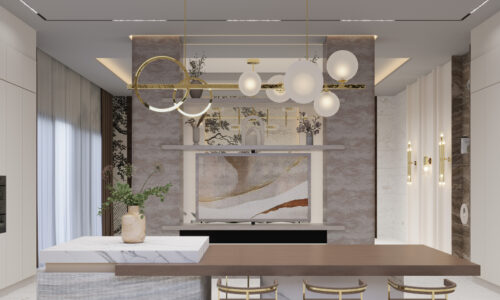
The Biggest Kitchen Renovation Mistakes (According to Designers)
The Biggest Kitchen Renovation Mistakes (According to Designers) A kitchen renovation can add h ..
- Huma Zareef
- March 14, 2026
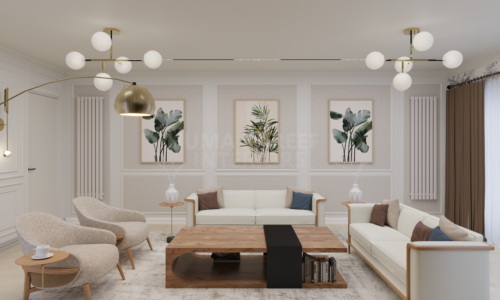
How to Plan Your Home Layout Before Renovating (Step-by-Step Guide)
How to Plan Your Home Layout Before Renovating (Step-by-Step Guide) If you are planning a renov ..